
Key Documents for Parents of Children With Special Needs
Beyond Medical Care: Personal Benefits of Advance Directives
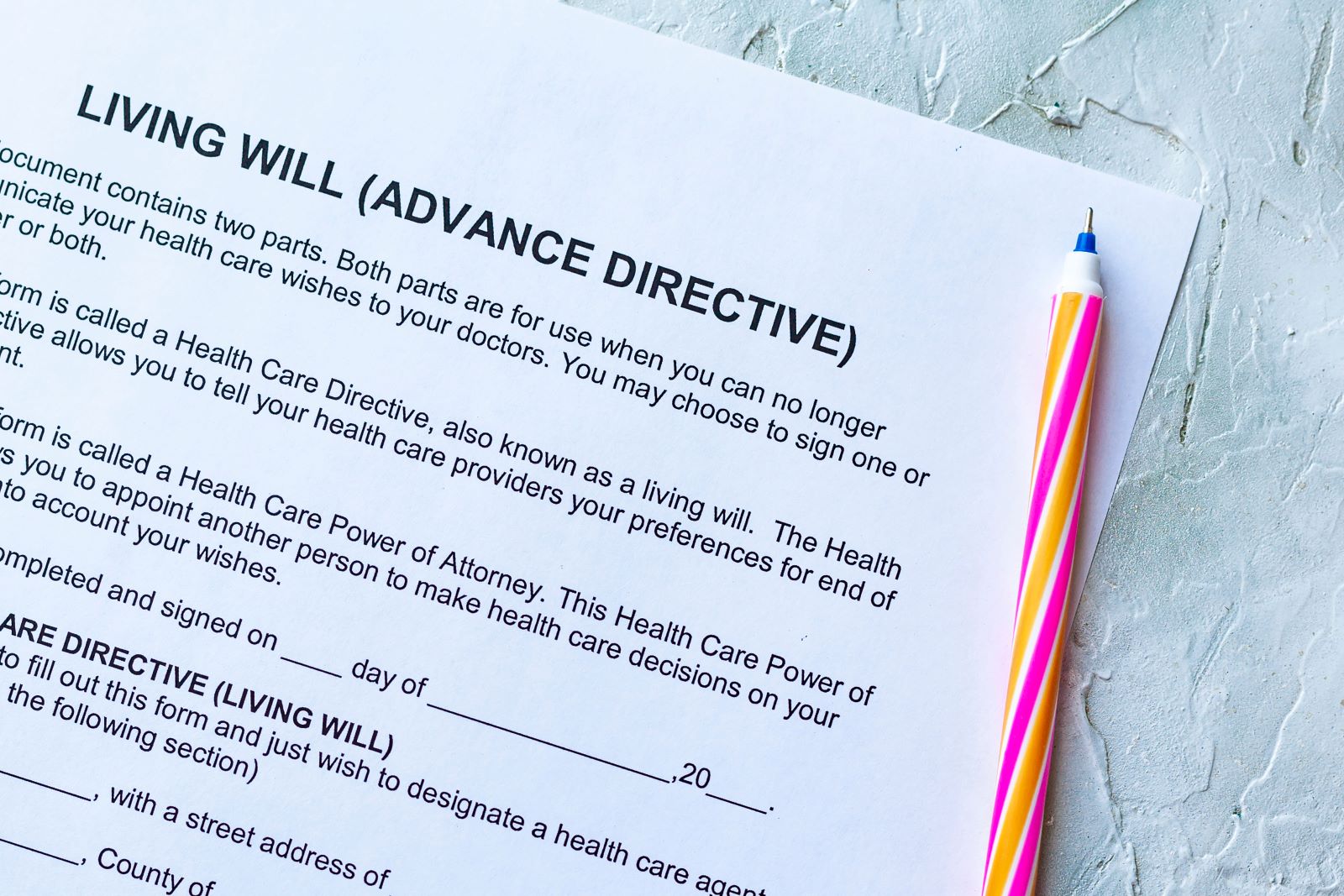
Establishing an advance directive can serve as a powerful expression of your personal values and autonomy.
5 Ways to Update Your Estate Plan After a “Gray” Divorce
How to Understand Powers of Attorney (POA)
As part of your estate planning process, you should implement Power of Attorney documents. All states recognize powers of attorney, but rules and requirements will differ from state to state. The document gives one or more individuals the legal authority to…
Estate Planning for Seniors
Most older adults realize the importance of estate planning. Yet, nearly half of Americans age 55 or more are lacking a will, have no designated powers of attorney, and have not composed a living will, or health care directives. These…
Estate Planning as a Widowed Spouse
When you lose a spouse or a long-time partner, it is difficult to work through your grief to make decisions about your finances and your estate plan. However, these decisions should be made as soon as possible. In truth, estate…
Have You Discussed End-of-Life Care?
Discussing your mortality openly and honestly with family can be sobering, but sensible. No one enjoys thinking of death, and yet with forethought, you can ensure that your estate plan and your healthcare arrangements best reflect your wishes. It is…
Is a Will All I Need?
About 50% of Americans do not currently have a will. While a will is a necessary document that every person who owns assets should have, it is still a relatively simple document that may not cover everything you want it…
Common Misconceptions About a Power of Attorney
One of the most crucial components of an estate plan is a durable power of attorney. It allows someone who you appoint (your agent) to make decisions on your behalf in the event you become incapacitated. If you have not…